


Why Autumn Suits a Woodland Cabin
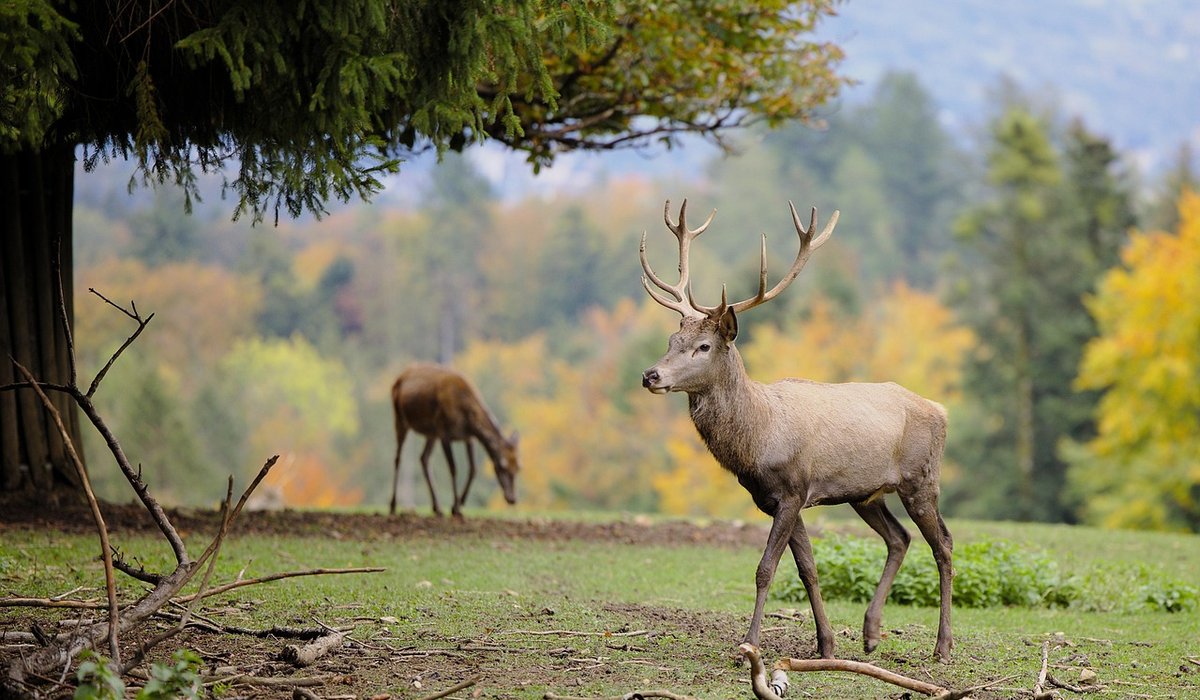
There is a particular kind of quiet that arrives in a wood in October. The summer crowds have gone, the birdsong has thinned out, and the leaves are turning from green to copper, amber and rust. For a short break, this is arguably the best time of year to take a cabin — not despite the shorter days, but because of them.
Autumn gives you permission to slow down. You are not chasing a packed itinerary of beaches and long evenings outdoors. Instead, the rhythm shifts: a slow breakfast, a decent walk while the light is good, then back to the cabin before dusk to get the fire going. That structure, gentle as it is, tends to do more for tired minds than a fortnight of sightseeing.
Woodland cabins are also at their most appealing in cooler months. In July they can feel stuffy and overrun with midges; in November they feel like exactly the right sort of shelter. If you have been putting off a restorative short break, autumn is the season to book it.
Pack Like Someone Who Plans to Be Cold and Happy
The single most common mistake on an autumn cabin break is under-packing. Cabins are often off-grid, poorly insulated, or simply chilly by early evening, and once that damp cold gets into your bones it is hard to shift. Bring more layers than you think you need, and bring the right ones.
- Warm socks, plural. Thick wool walking socks for the day and a second, softer pair for padding about the cabin in the evening. Cold feet ruin an otherwise lovely night.
- A proper mid-layer. A fleece or lightweight down jacket that you can throw on the moment the sun drops behind the trees.
- Waterproof boots with decent grip. Woodland paths in autumn are covered in wet leaves, which are genuinely slippery on slopes and roots.
- A hat and gloves even for a short walk — the temperature falls fast once you stop moving.
- A head torch. Dusk arrives early and there may be no lighting between the car park and the cabin door.
- A thermos and a small rucksack so you can carry a hot drink on your walk rather than cutting it short.
Add a book, a deck of cards and something to cook slowly — a stew, a chilli, a crumble. Cabin cooking is half the pleasure.
Plan Short Walks, Not Long Ones
Daylight is limited, and the light itself is softer and lower. That is not a problem; it is a prompt to plan differently. Two short walks a day, of an hour or ninety minutes each, will usually leave you feeling better than one gruelling hike that ends with you hurrying back in near-darkness.
Aim for the middle of the day. Set off mid-morning, once the frost has lifted and the paths are less slick, and use the late afternoon for a shorter loop close to the cabin. If you can, pick routes with a view or a clearing where you can stop properly rather than pressing on.
- Check the sunset time before you leave and give yourself an hour of buffer.
- Tell someone your route if phone signal is patchy.
- Take a paper map — woodland trails are badly signed and apps drain batteries fast in the cold.
- Embrace the short walk. Twenty minutes among trees counts.
Make the Evenings the Main Event
The early dusk is not a loss. It is the reason to be here. Once you accept that the day ends at half past four, the evening opens up into something long and unhurried: a fire, a proper meal, a hot bath or a shower, and a genuinely early night.
If your cabin has a wood burner, learn how to use it properly. Start with kindling and a couple of smaller logs, get a good bed of embers before adding anything substantial, and keep the door slightly open until the fire is drawing well. Damp wood will smoke and sulk; ask your host what is dry and seasoned.
Bring things that suit firelight. A paperback, a notebook, a board game, a playlist downloaded in advance because the signal drops. Resist the urge to fill the silence with a screen. The restorative part of a cabin break is usually the boredom you initially resist, then sink into around the second evening.
Choosing a Cabin That Actually Works in Autumn
Not every cabin is a good autumn cabin. Before booking, check a few practical details that make a real difference in cooler months.
- Heating. Is there a wood burner, and is fuel included? Is there backup heating for the morning?
- Hot water. Off-grid cabins sometimes have limited hot water — fine for two people, less so for four.
- Access. A track that is charming in June can be impassable after autumn rain. Ask about the road and what vehicle it suits.
- Drying space. Somewhere to hang wet coats and boots makes a huge difference.
- Distance from the nearest village. A twenty-minute drive to a pub or shop is convenient; an hour is a commitment.
Coming Home Restored, Not Exhausted
The trick to a restorative break is to do less than you think you should. One walk, one good meal, one fire, one early night — repeated for three days — is a genuinely effective reset. Autumn helps because the season itself discourages over-scheduling.
So bring the warm socks, keep the walks short, and let the dark evenings do their work. By the time you pack up the car, you will likely find that the quiet of the woods has followed you home.


Leave a reply