


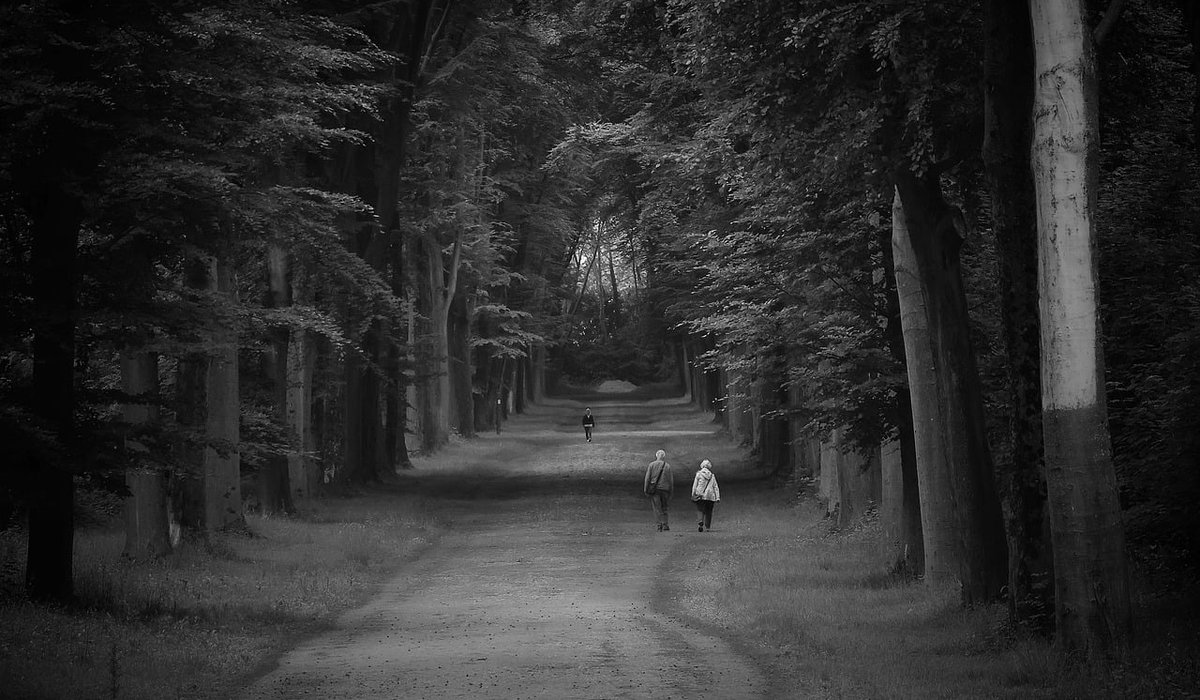
Why a Spring Weekend Feels Different
There is a narrow window in the British calendar when the countryside does something it does nowhere else quite like it. Woodland floors turn white with anemone, hedge banks flush with cowslip, and the first bluebells arrive almost before you have put the winter coat away. It is a short season, measured in weeks rather than months, and that is exactly what makes it worth planning a weekend around. You do not need a long holiday: two nights, one good walk and a decent pub supper will do.
The trick is to think small. Rather than chasing a famous garden or a long-distance trail, build your break around a single nature reserve — a pocket of ancient woodland, a chalk down, a damp meadow — and let the rest of the weekend arrange itself around that.
Timing It Right: the Bloom Moves Fast
Spring advances roughly northwards and upwards, and every hundred metres of elevation can set a site back a week or more. A sheltered lowland wood in the south-west may be at its peak while a moorland edge two counties north is still bare. If you are booking ahead, aim for the middle of the season rather than the start, and stay flexible.
As a rough guide:
- Late March to early April: wood anemone, lesser celandine, coltsfoot, and the first primroses on warm banks.
- Mid to late April: bluebells beginning in the south and west, wild garlic in damp woodland, early purple orchid on chalk.
- Late April to mid May: peak bluebell, cowslips on old meadows, cuckooflower along ditches.
- Mid to late May: northern and upland sites catch up, and hay meadows begin to colour.
Cold, wet spells slow everything down; a run of mild, still days speeds it up. Local wildlife trust websites and reserve noticeboards usually post weekly sightings, and that is worth checking in the days before you travel.
Choosing a Base Close to the Ground
For a two-night break, staying within a fifteen-minute walk of the reserve entrance changes the whole feel of the trip. You can be out at first light, when birdsong is loudest and the light is soft, and back before the car park fills. Market towns and villages on the edge of upland areas tend to offer the best of both: a bed, a breakfast and a footpath from the door.
Look for somewhere with a place to dry wet boots and hang a damp jacket. A boot room sounds trivial until you have spent a day in the rain.
What to Wear and Carry
Spring weather in the UK is not so much a season as a series of decisions. A morning can start at three degrees and finish at fifteen, with a shower in between that arrives without warning.
- A light, packable rain jacket — the single most useful item you will carry. Choose one with a hood that stays up in wind.
- Layers rather than bulk — a base layer, a thin fleece and a shell will cover almost anything April can throw at you.
- Footwear with grip — woodland paths stay muddy long after the fields have dried.
- A small day pack with water, a snack, a paper map or an offline map, and compact binoculars if you have them.
- A hand lens or magnifying glass — a cheap one turns a walk into a different experience entirely.
- Sun cream and a hat — genuinely. On a bright May day with no leaf cover, you will feel it.
Keep to the Paths — the Flowers Need It
This is the one rule worth repeating. Spring woodland plants are slow. A bluebell takes years to establish from seed, and a single footfall across a colony can crush growth that will not return next season. The same applies to the fragile turf of chalk grassland and to the mosses and liverworts that carpet damp banks, which can take decades to recover from being walked over.
Stay on waymarked paths even when a verge looks tempting for a photograph, keep dogs on a short lead where signs ask you to, and never pick flowers. Many reserves are protected sites, and picking is both damaging and, in some places, an offence. If you want a record, photograph it. If you want to identify it later, note the shape of the leaf and the habitat — often more useful than the flower itself.
Making the Weekend Restorative, Not Just Active
A short break works best when the walking is the point rather than the achievement. Plan one main walk of six to ten kilometres with plenty of stopping, and leave the rest of the day loose. Sit somewhere for twenty minutes without moving. That is usually when the best sightings happen: a deer stepping between trunks, a nuthatch working a branch, a slow drift of petals on still air.
Eat locally and early. Many village pubs stop serving food at nine, and a late arrival after a long walk is a needless frustration. Book a table when you book the room.
Finally, leave some slack in your plans. Spring flowers appear quickly and vanish quickly, and the best weekend is often the one where you follow the weather rather than the itinerary. If the forecast turns, swap the exposed ridge for a sheltered valley wood — the bluebells will not mind, and neither will you.


Leave a reply