


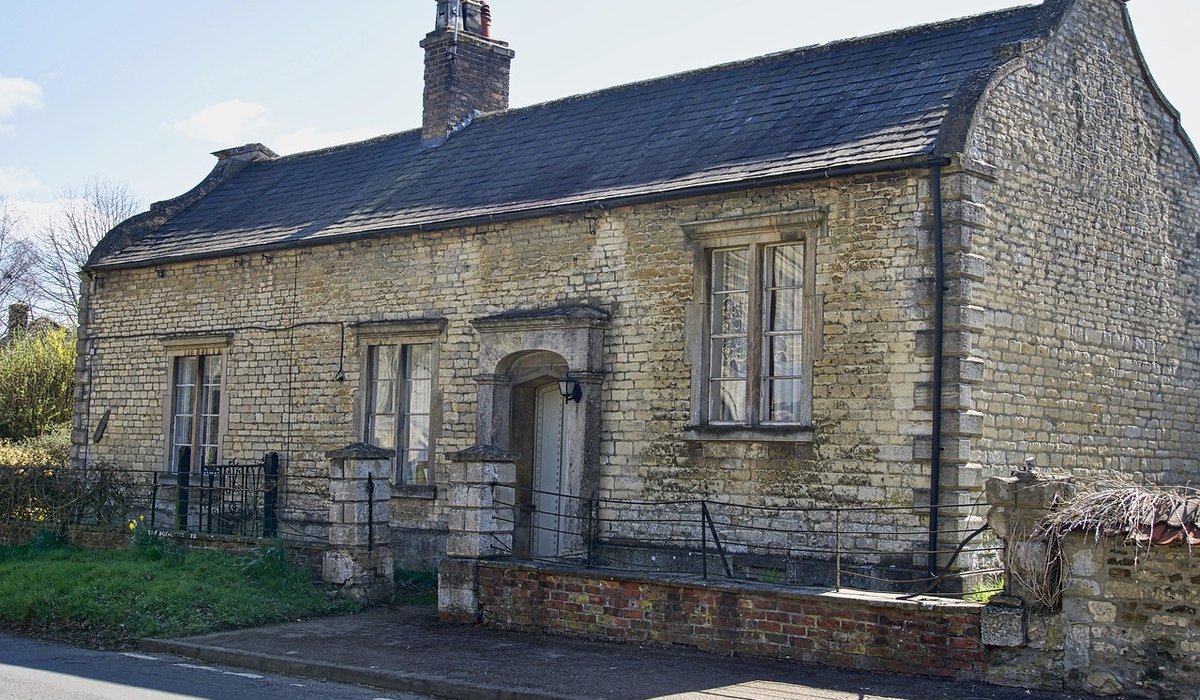
Friday: Arrive Before the Light Goes
The best Friday-to-Sunday countryside trips are not the ones packed with activity. They are the ones that leave you feeling as though you have been away for far longer than two nights. That feeling starts on Friday afternoon, and it starts with light.
Aim to reach your cottage, shepherd's hut or bunkhouse with at least an hour of daylight to spare. In the UK that means being realistic about sunset: roughly 4pm in December, 6pm in late October, and not much past 8.30pm even in June once you allow for the drive and the last stretch of single-track lane. Arriving in the dark turns a simple unpack into a torch-lit fumble for the key safe, and it robs you of the moment that makes a short break worthwhile. That first look at the view from the window, the church tower over the hedge, the field rising behind the garden.
So leave early if you can. Take the afternoon off rather than the morning. Traffic on a Friday builds from about 3pm on most trunk roads, and the last twenty minutes of a rural journey always take longer than the map suggests.
The First Walk: A Short Loop from the Door
Once the bags are in and the kettle is on, get out. Not far. Twenty to forty minutes is plenty. The purpose is not exercise, it is orientation.
- Walk to the end of the lane and back, or follow the footpath sign you spotted opposite the gate.
- Note where the village shop is, what time the pub serves food, and whether the lane has a pavement.
- Let your legs remember what walking on uneven ground feels like after a week at a desk.
This little loop does something else, too. It marks a clean line between the journey and the weekend. By the time you get back, the car is forgotten and the place already feels familiar. Take a small torch in your pocket even in summer, and wear something you do not mind getting muddy at the ankles.
Saturday: Save the Long Route for Daylight
Saturday is the day for the walk you actually came for. Give yourself the whole of the day's light and pick one route rather than three. A six to ten mile circuit with a pub or a bench at the halfway point is the sweet spot for most people, and it leaves room for the things that make a walk memorable: a slow lunch, a chat with someone repairing a gate, ten minutes sitting by a stream.
Before you set off, do four small things. Check the weather forecast for wind as well as rain, because an exposed ridge in a stiff breeze is colder than the numbers suggest. Look at where the route crosses farmland, since livestock and crops change the picture week by week. Note any escape route that shortens the loop. And tell someone roughly where you are going.
Pack lighter than you think you need. A waterproof, a warm mid-layer, water, something to eat, a paper map with the route marked, and a charged phone. Mud is a near-certainty between October and April, so boots with grip beat trainers every time, and gaiters save your trousers on the boggy bits.
Saturday Evening: Feet Up, Not Out Late
After a proper day on your feet, the evening looks after itself. Cook something simple in the cottage, or walk to the pub you found on Friday and eat early. Either way, aim to be back before you are tired, and get a decent night's sleep. The whole point of a two-night break is that the second night is where the rest actually happens. If you have walked ten miles and then sat up until midnight, Sunday will feel like a recovery day rather than a holiday.
Sunday Morning: Nowhere Urgent to Be
Sunday mornings feel best when there is nothing on the schedule. No checkout dash, no booked breakfast slot, no long drive looming before lunch. If your accommodation has a 10am departure, ask about a later one when you book, or leave the bags in the car and walk before you go.
- Make coffee and drink it standing at the window.
- Take a wander with no destination, along the lane or to the churchyard, just to look.
- Save the packing until the last possible moment.
There is a particular quality to a Sunday morning in the countryside, the quiet lanes, the smell of woodsmoke, the sense that the week has not yet started. Protect it. Do not fill it with a sprint round a market town or a rushed visit to a garden. You can do those another time.
Small Things That Make a Short Break Work
Two nights is a narrow window, so a little preparation pays off more than it would on a week away. Pack in one bag each and keep the walking kit at the top. Take cash for honesty boxes and car parks with unreliable card machines. Bring a torch, a spare pair of socks and a flask. Fill the car with fuel before you leave the main road, not on Sunday morning when the nearest filling station is fifteen miles away. And leave a gap in the plan. The best part of a Friday-to-Sunday trip is usually the unplanned hour, sitting on a wall in the sun, watching the light change over a field you will never see again.


Leave a reply